A Full House at the Utah State Capitol
Saturday was a milestone for Sema Hadithi African American Heritage and Culture.
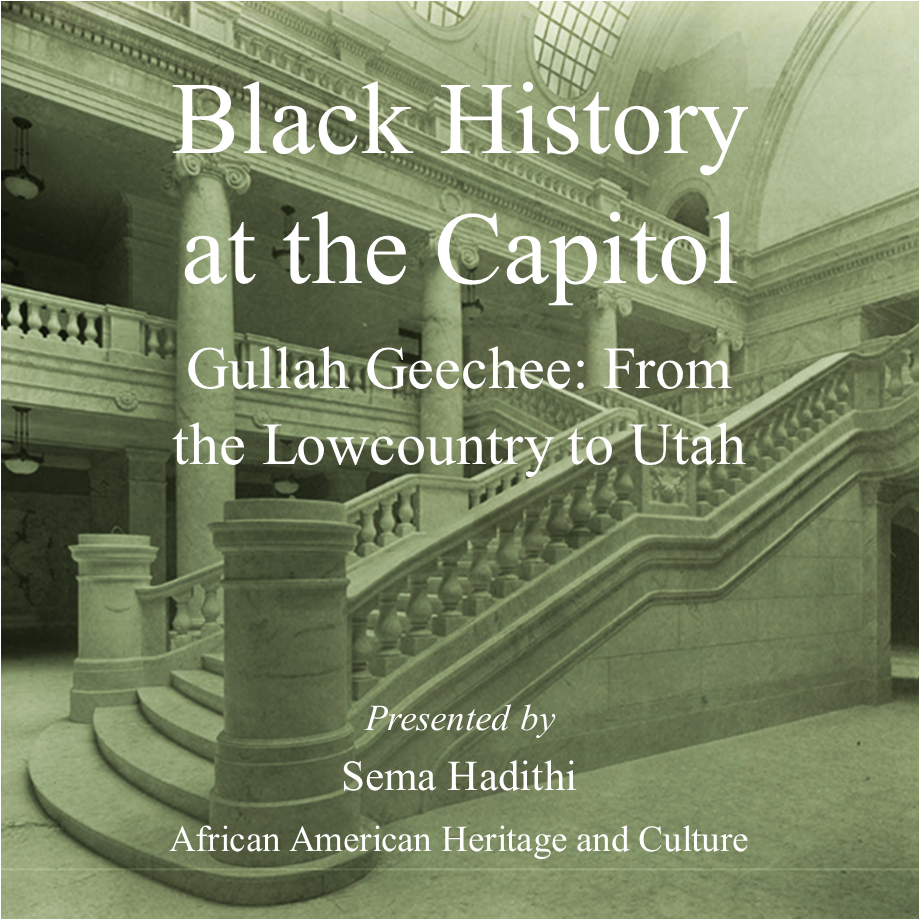
Our two guided State Capitol tours brought a full group of community members, families, and visitors together to explore stories rarely told—stories of Utah’s Black presence, civic participation, and historical contributions that shaped the Capitol long before many believed Black Utahns were part of the state’s narrative at all.
We walked through foundational moments in Utah governance and public history, reflected on the legacy of the Civil Rights era in the Mountain West, and learned how public spaces are shaped by the people who have historically been included—and excluded—from their stories. Many guests told us they had never before heard these perspectives connected to this building. The tour culminated with a presentation on the cultural exhibit “Gullah Geechee: From the Lowcountry to Utah. The exhibit highlighted the Gullah Geechee corridor of South Carolina, North Carolina, Georgia and Florida and the foodways, products, and music that rose from the heritage of Africans enslaved in the pre-America South, through the Civil War, into the present. The exhibit ended by examining how the people of the Lowcounty arrived in Utah as enslaved, members of the military, and workers on the railroad.

Gullah Geechee: From the Lowcounty to Utah exhibit on display in the fourth exhibit gallery of the Utah State Capitol.
Why this matters
When community members participate in events like this, it shows something powerful: Utah wants this history—right now. People are ready for deeper understanding, more representation, and learning together in ways that build community. Events like this help us fulfill our mission: researching, preserving, and sharing the stories of African-ancestor history in Utah.
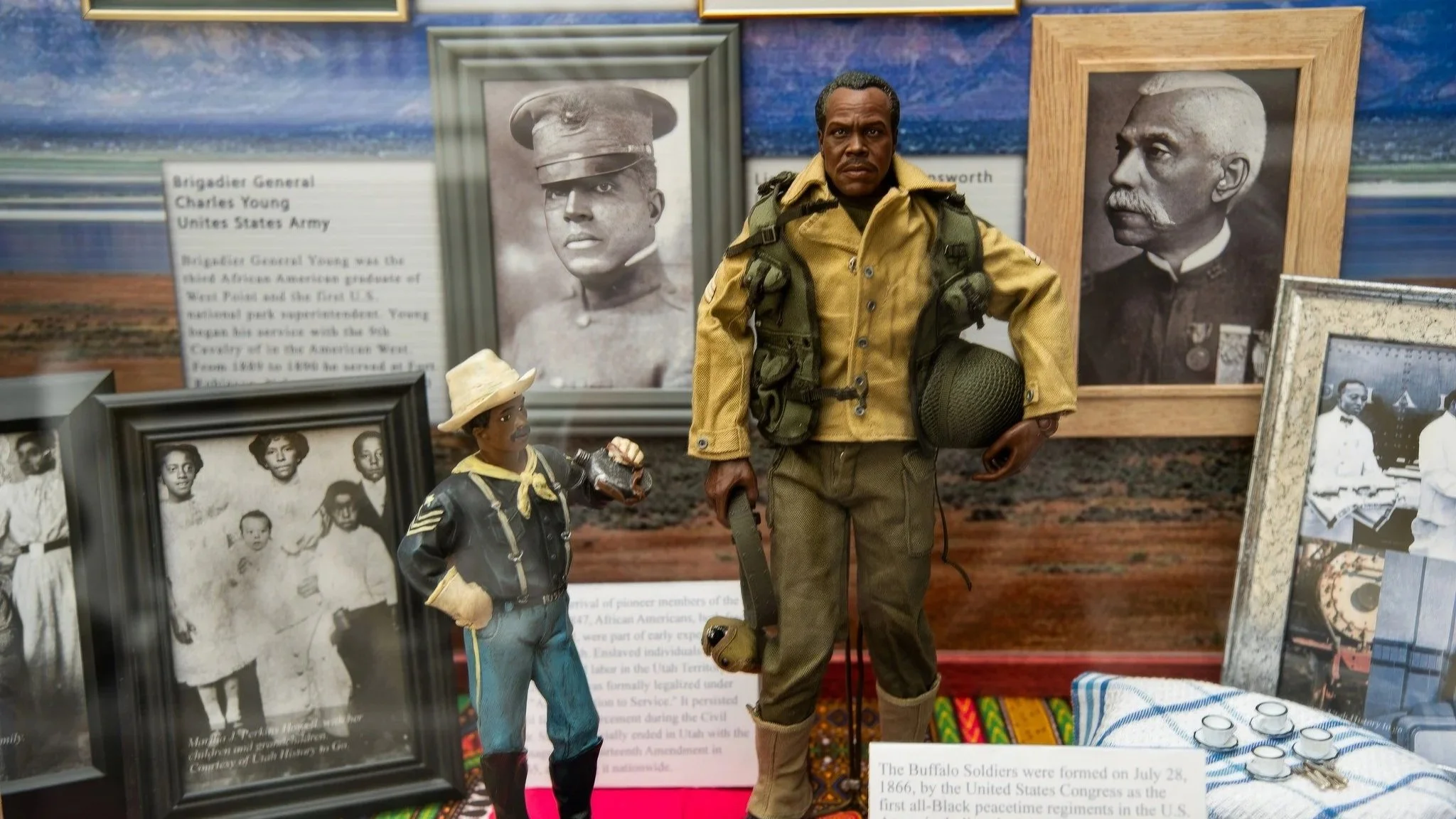
Imagery that captures the story of African Americans in Utah: the Perkins and Leggroan farming families of Millcreek (left), post Civil and WWII Buffalo Soldiers featuring Charles Young and Allen Allensworth, and the porters and waiters of the Union Pacific, Central Pacific, and Southern Pacific railroads.
Looking ahead
We plan to continue tours like this throughout 2026 as we move toward a fully funded, professionally operated Black history museum. These will be walking tours as well as bus tours. These experiences are part of a larger vision—one where this history isn’t just discovered but permanently preserved and accessible to every Utahn.
Help Us Build This
If you believe this history should be seen, taught, and celebrated here in Utah, we invite you to follow and support us. Every friendship moves us closer to establishing Utah’s Black history museum—and ensures opportunities like this remain free and accessible for our community.
Thank you for helping tell the story.
— Robert S. Burch, Jr.
Executive Director
Sema Hadithi African American Heritage and Culture
View more images of the Gullah Geechee: From the Lowcountry to Utah Exhibit https://semahadithifoundation.org/exhibits
Photographs courtesy “Masons of High Marine” Facebook, Valdez Darris
Photographs courtesy the University of Utah